


Legacy solar panels still power millions of homes worldwide — but the solar industry has evolved fast. If you're using older panels or considering them, understanding their real performance, limitations, and upgrade potential can directly impact your energy savings.
What Are Legacy Solar Panels?
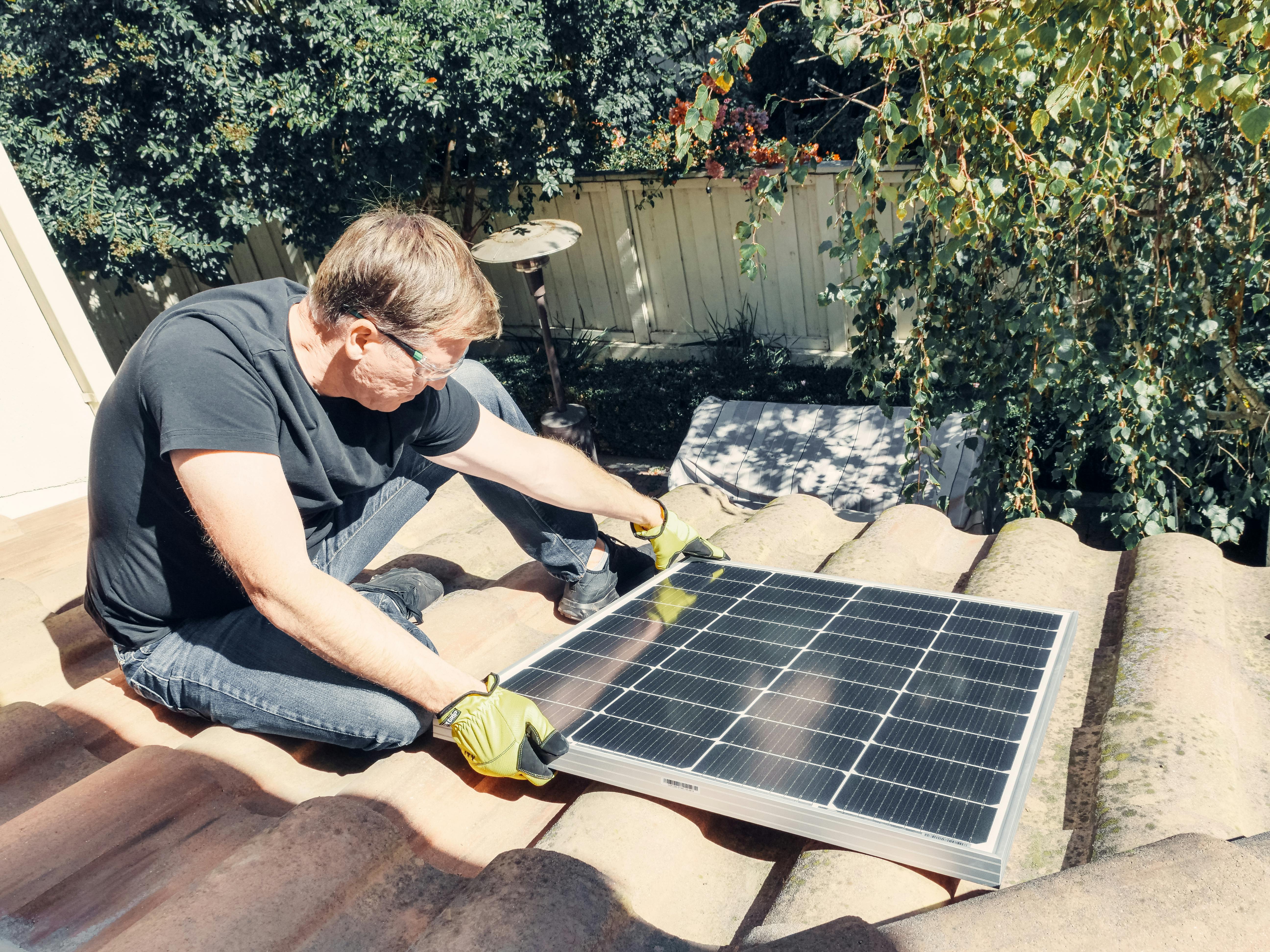
Legacy solar panels refer to older generations of photovoltaic (PV) technology that were widely installed between the early 2000s and late 2010s. These typically include early monocrystalline and polycrystalline panels built before modern efficiency breakthroughs like PERC, TOPCon, and bifacial technology.
At the time, these panels were considered cutting-edge. They made residential solar adoption possible at scale and helped kickstart the global renewable energy movement. However, compared to today’s systems, they now fall behind in efficiency, durability, and energy yield per square foot.
Key Characteristics of Legacy Solar Technology
Legacy panels still function reliably, but they were built under older manufacturing standards and performance expectations. Most systems share a few common traits:
- Lower efficiency (typically 12%–17%) compared to modern panels exceeding 21%+
- Larger physical footprint for the same wattage output
- Faster degradation rates over time
- Limited performance in high heat conditions
- Older inverter compatibility requirements
While they may still generate electricity effectively, their output-per-panel is significantly lower than modern high-efficiency modules. This becomes especially noticeable in high-energy-demand households.
Why Legacy Solar Panels Are Still in Use
Despite being outdated, legacy systems are still extremely common. The reason is simple: solar panels are long-term investments designed to last 25+ years. Many homeowners installed systems a decade ago and are still benefiting from them today.
In addition, early adopters already achieved payback on their systems, meaning even reduced efficiency still translates into net savings. For many, there is no immediate financial pressure to replace functioning systems.
The Hidden Problem: Efficiency Loss Over Time
All solar panels degrade, but legacy systems degrade faster and start from a lower baseline. Over time, this creates a compounding performance gap between old and new technology.
Typical Legacy System Impact:
- Annual degradation: ~0.7%–1% per year
- Total output loss after 15–20 years: up to 15–25%
- Higher sensitivity to heat and shading
This means a system that once covered 100% of your electricity needs may now only offset 70–85%, depending on age and conditions.
Modern Solar Panels vs Legacy Systems
Today’s solar panels use advanced cell architectures like PERC, TOPCon, and heterojunction technology. These improvements directly address the weaknesses of legacy systems.
Modern panels are:
- More efficient (20%–23%+)
- Better in hot climates
- More compact (more power in less space)
- More resistant to degradation
- Optimized for smart inverters and hybrid systems
In practical terms, a modern panel can produce the same energy as 1.3–1.5 legacy panels of the same size.
Should You Upgrade Legacy Solar Panels?
Upgrading is not always necessary, but it becomes highly valuable under certain conditions:
- Your electricity usage has increased significantly
- You want battery storage integration (hybrid systems)
- Your panels are over 10–15 years old
- You have limited roof space but higher energy demand
- You’re experiencing noticeable drops in monthly savings
In many cases, homeowners don’t replace old panels immediately — instead, they expand systems or integrate modern panels alongside existing arrays.
The Smart Approach: Hybrid Upgrades
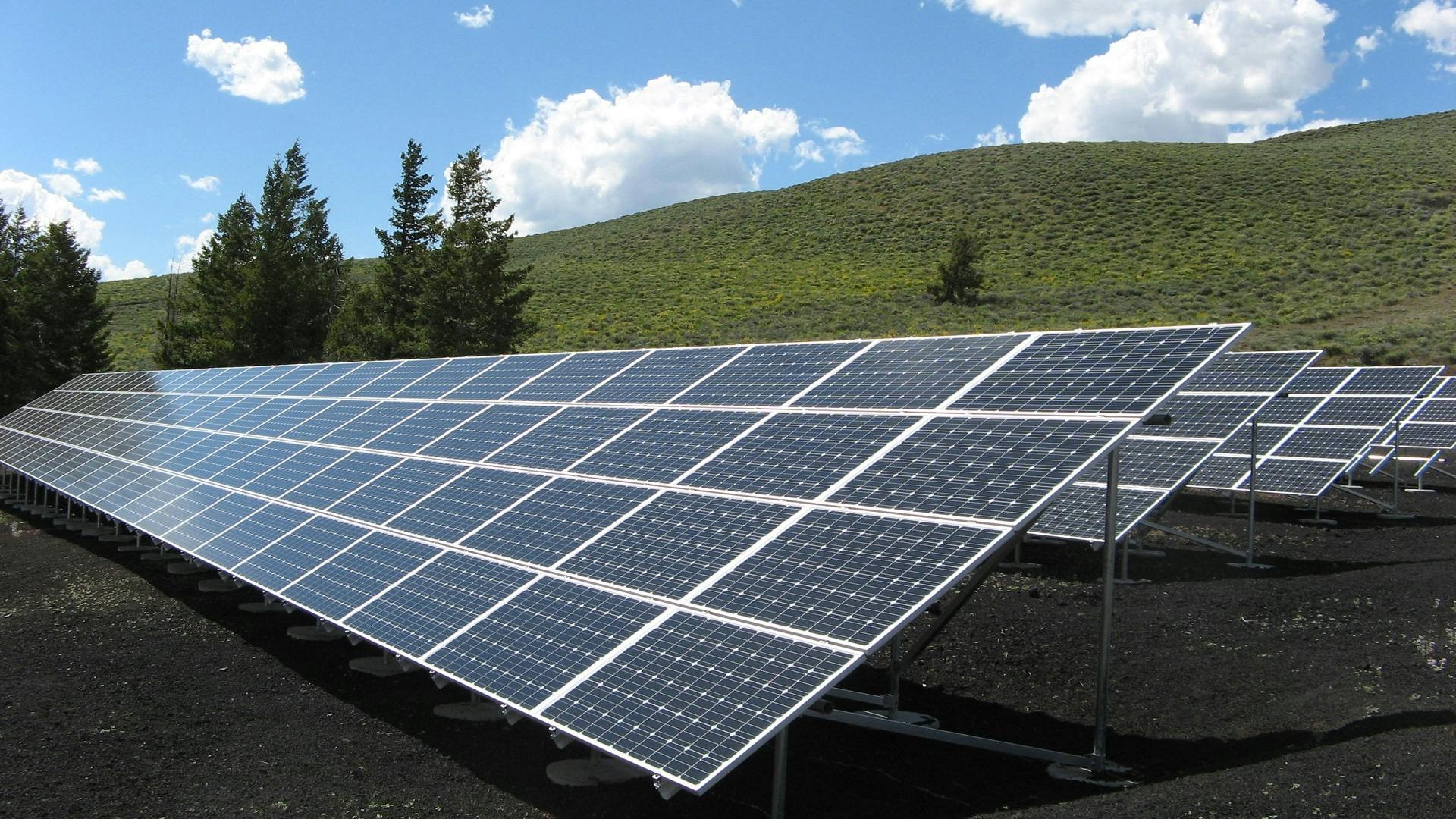
One of the most practical strategies today is hybrid expansion. Instead of removing legacy panels, homeowners add newer high-efficiency modules to increase total output while preserving existing infrastructure.
This approach minimizes upfront cost while maximizing ROI. It also allows integration with modern inverters, smart monitoring systems, and battery storage solutions.
Final Thoughts: Legacy Solar Still Has Value
Legacy solar panels played a critical role in making renewable energy mainstream, and many are still producing reliable power today. However, technology has moved forward significantly.
If your goal is maximum efficiency, lower electricity bills, and future-ready energy independence, understanding where your system stands in today’s solar landscape is essential.